Build a Small Wardrobe Around Your Actual Week
Plan a clothing capsule from repeated outfits rather than an arbitrary item count.
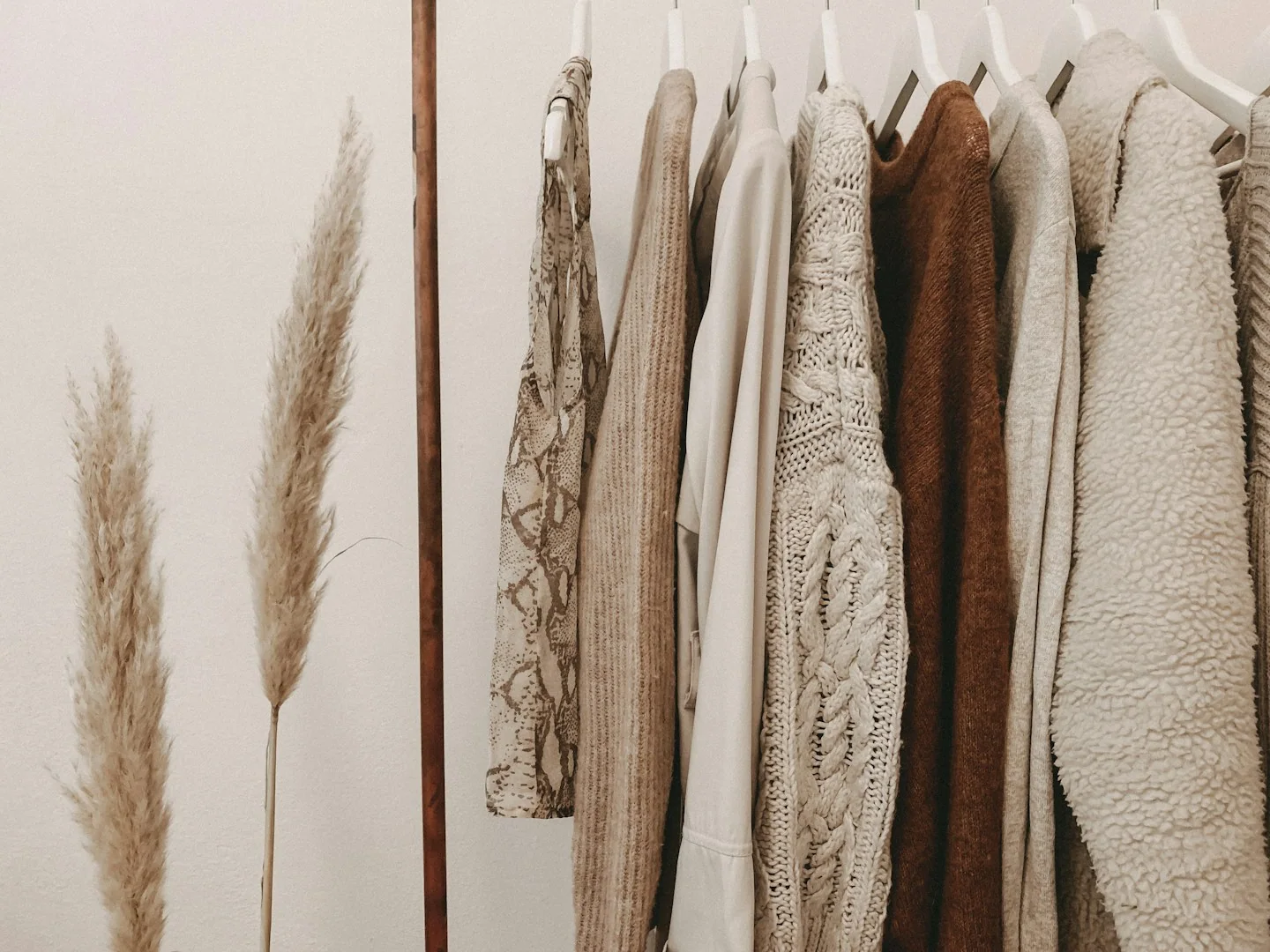
A smaller wardrobe does not need a universal number of pieces. It needs enough useful combinations for your work, time at home and social plans, with room for laundry between wears. Begin by observing a normal week rather than buying a ready-made checklist.
This guide focuses on selecting the right type and setup for your own routine. It is not a ranking of products or a claim that a particular brand has been tested.
Count the situations you dress for
List the kinds of outfits your week requires and which ones repeat. A uniform workplace, a casual office and a mostly home-based schedule create different priorities. Separate specialist clothing from everyday outfits so that an infrequently used item does not distort the whole plan.
Build from clothes that already work
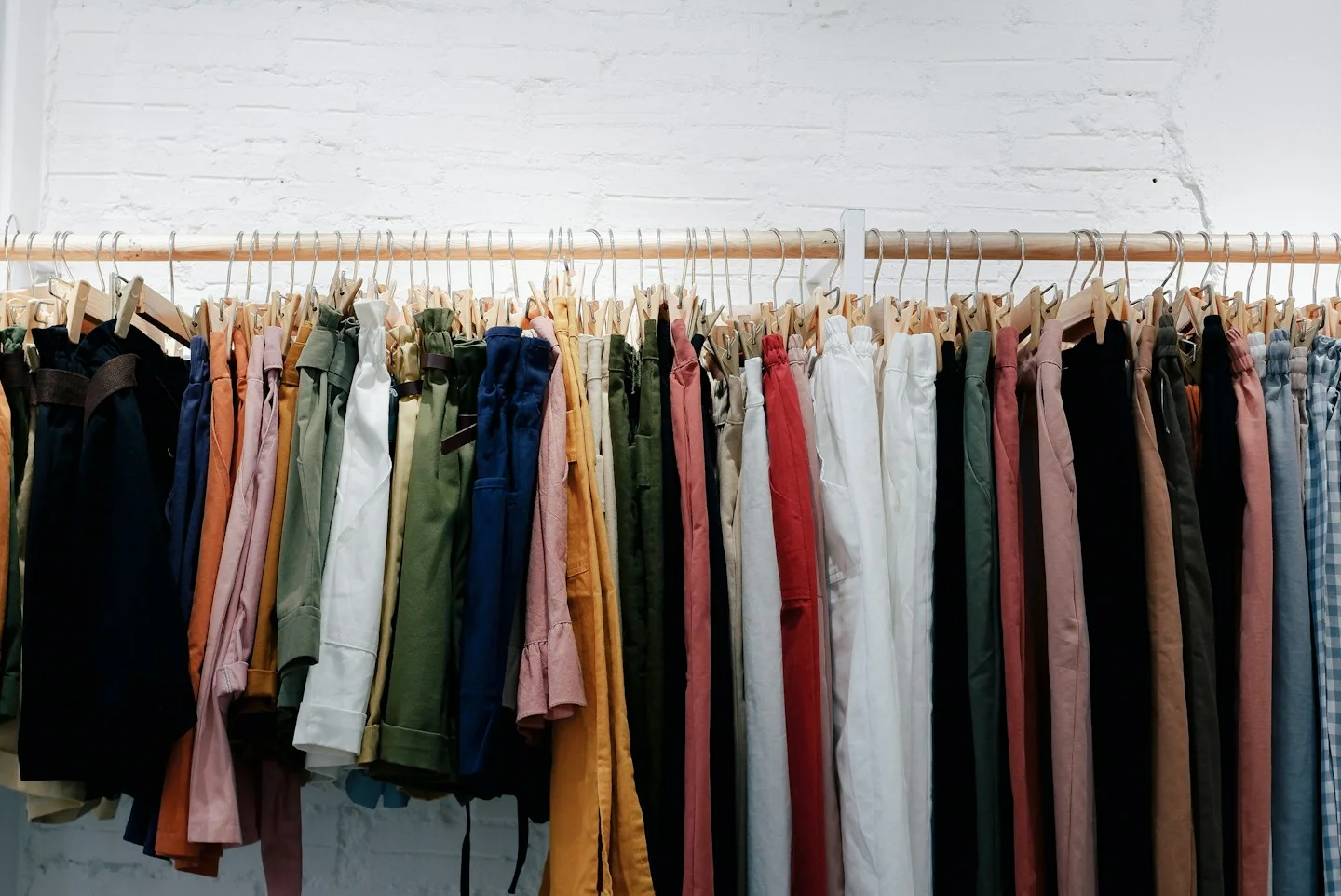
Select a few existing outfits you feel comfortable wearing and identify their shared shapes or colors. Look for a specific gap, such as a top that works with two pairs of trousers. This gives a new purchase a clear role and reduces the chance of acquiring another isolated piece.
Allow for laundry and changes of plan
An outfit plan should survive a delayed wash or an unexpected outing. Check the care requirements of the items you rely on most, and avoid making every combination depend on the same garment. Keep a little flexibility rather than optimizing your wardrobe for a perfectly predictable week.
Before you order
- Write down your repeated outfit situations.
- Name two combinations for each new item.
- Check the care demands of core pieces.
Use the listing for the exact model, size or variant you intend to buy. If a necessary detail is missing, ask the retailer or manufacturer before paying. Check the final basket total and current delivery and return terms for that selection.
Making the choice
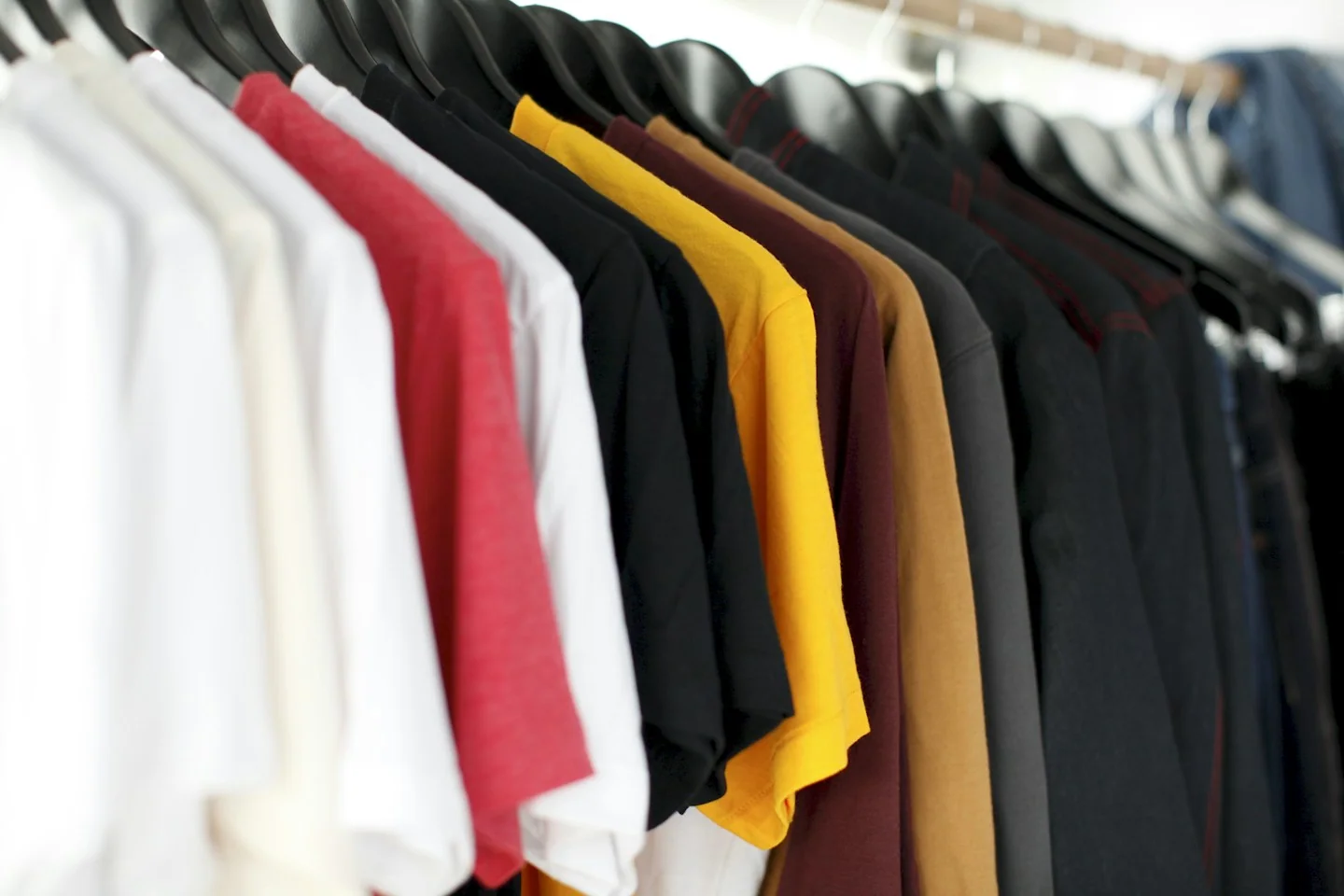
Buy the next missing piece only after you understand what it enables. A capsule is useful when it makes mornings easier, not when it forces every item to match a rigid aesthetic.