Buying a Blender for the Foods You Actually Make
Compare the intended ingredients, container and cleaning instructions.
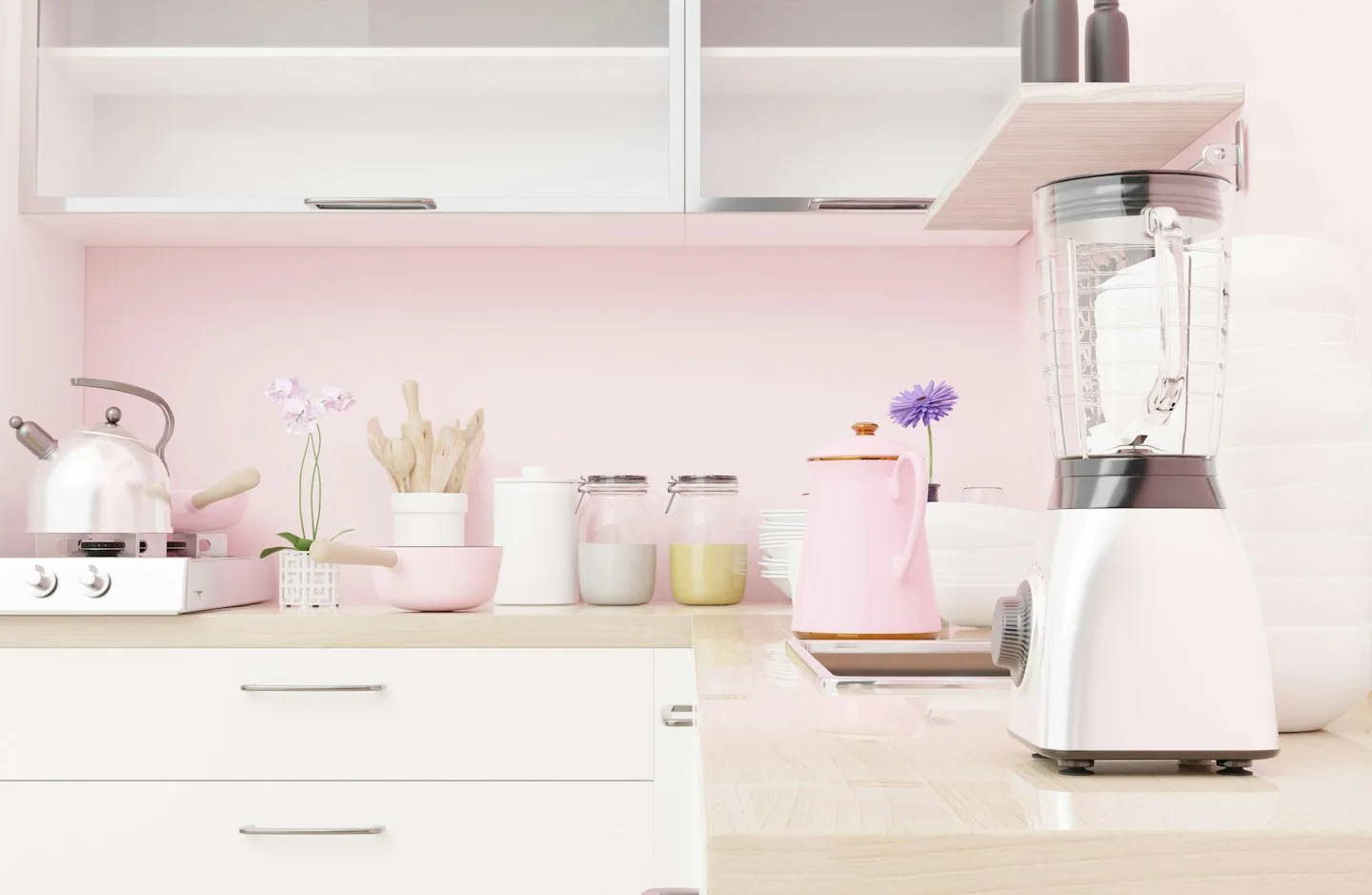
A blender should be chosen for the jobs its maker documents and the foods you regularly prepare. Start with the recipes or mixtures you want to make, rather than assuming that a larger-looking machine can handle every ingredient.
This guide focuses on selecting the right type and setup for your own routine. It is not a ranking of products or a claim that a particular brand has been tested.
Read the intended-use limits
Check the manufacturer’s guidance for the ingredients, quantities and methods relevant to you. Do not infer suitability for hot liquids or difficult ingredients from a product photo or a headline power figure. If a particular task is important, look for clear instructions confirming it is supported.
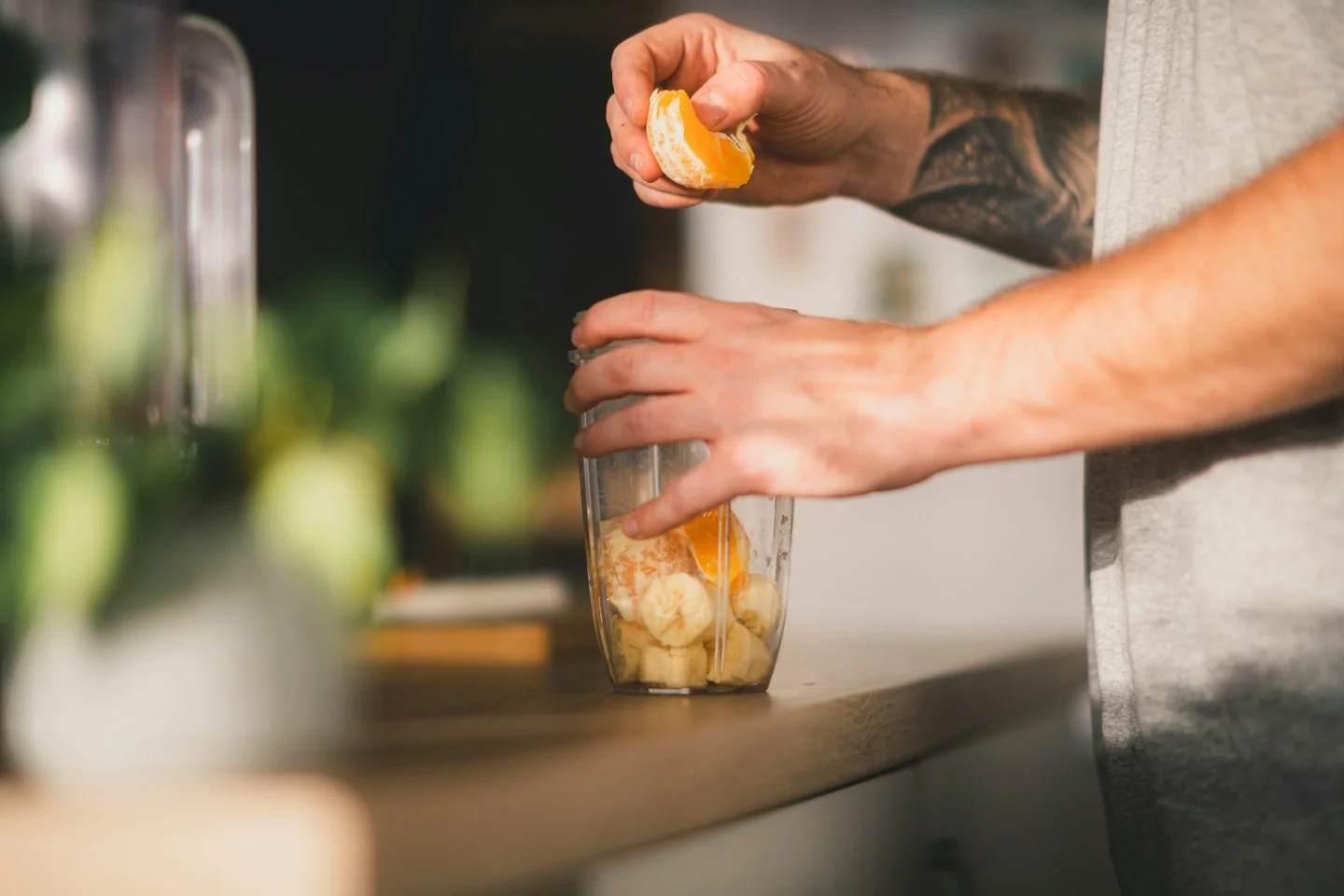
Choose a container that fits your routine
Compare usable capacity, pouring arrangements and access for loading. Consider where the container will be stored and whether you prefer one larger batch or smaller individual servings. Extra containers are useful only if they have a clear role and you have space to keep them.
Understand cleaning and handling
Read how the blade assembly and other parts should be handled and cleaned. Check which components are removable and what the maker permits for washing. Follow its instructions rather than assuming that similarly shaped containers or lids are interchangeable or dishwasher suitable.
Before you order
- List the intended ingredients and batch sizes.
- Verify supported uses in the manual.
- Check cleaning directions for every component.
Use the listing for the exact model, size or variant you intend to buy. If a necessary detail is missing, ask the retailer or manufacturer before paying. Check the final basket total and current delivery and return terms for that selection.
Making the choice
Shortlist machines with documented support for your routine, then compare dimensions and maintenance. Avoid paying for a bundle of accessories unless you can name the task each one will perform.