Buying an Electric Kettle for Daily Use
Look at filling, pouring, placement and the amount you normally heat.
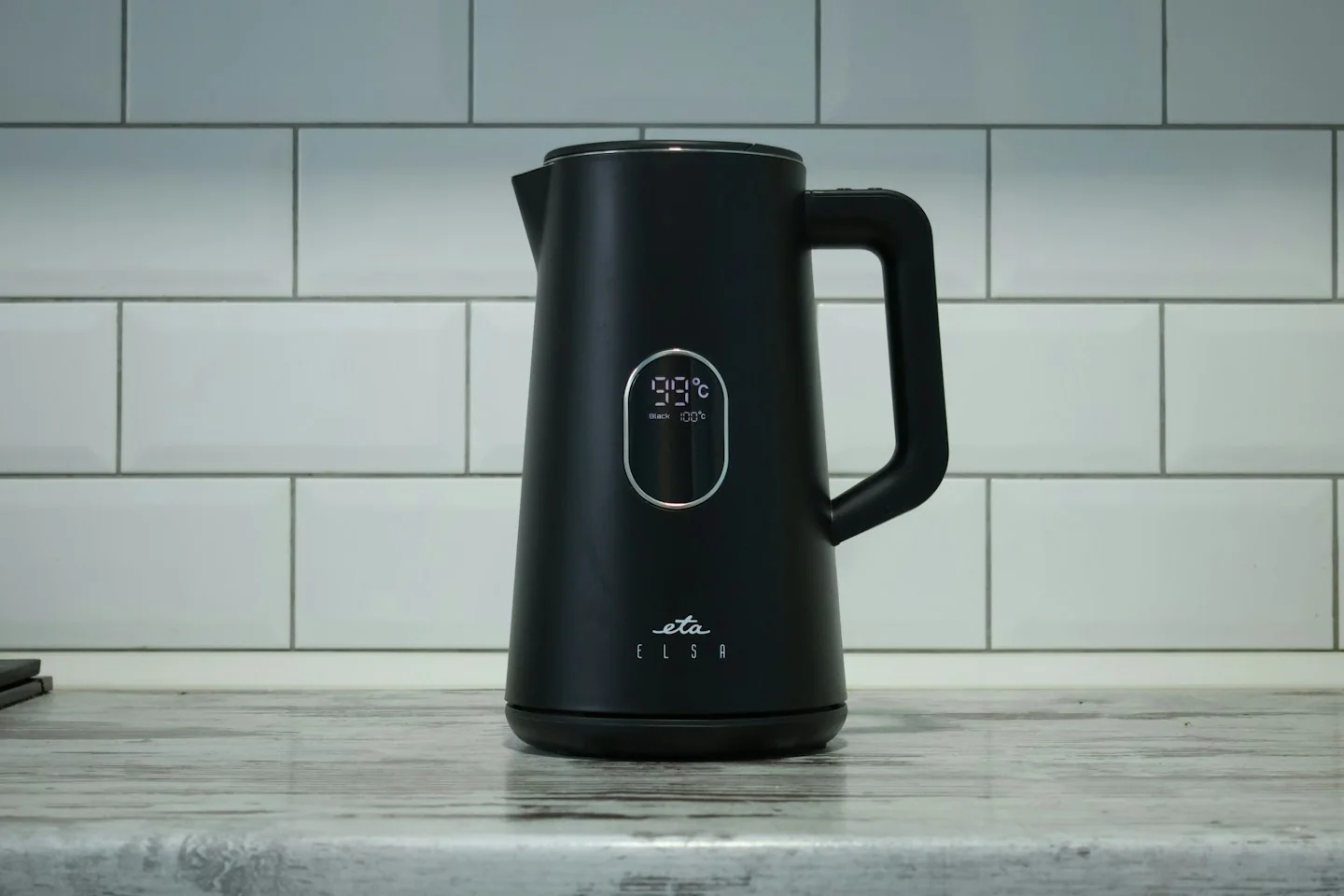
A kettle can be used many times in an ordinary day, which makes small handling details worth checking. Begin with how much you usually prepare, where you fill it and the place it will sit when connected.
This guide focuses on selecting the right type and setup for your own routine. It is not a ranking of products or a claim that a particular brand has been tested.
Compare useful capacity with your routine
Read the maker’s stated minimum and maximum fill information and compare it with your normal use. Consider the weight when filled, not only the empty appliance. A larger kettle may not be the easiest option if you generally prepare a small amount and value comfortable handling.
Inspect access and controls
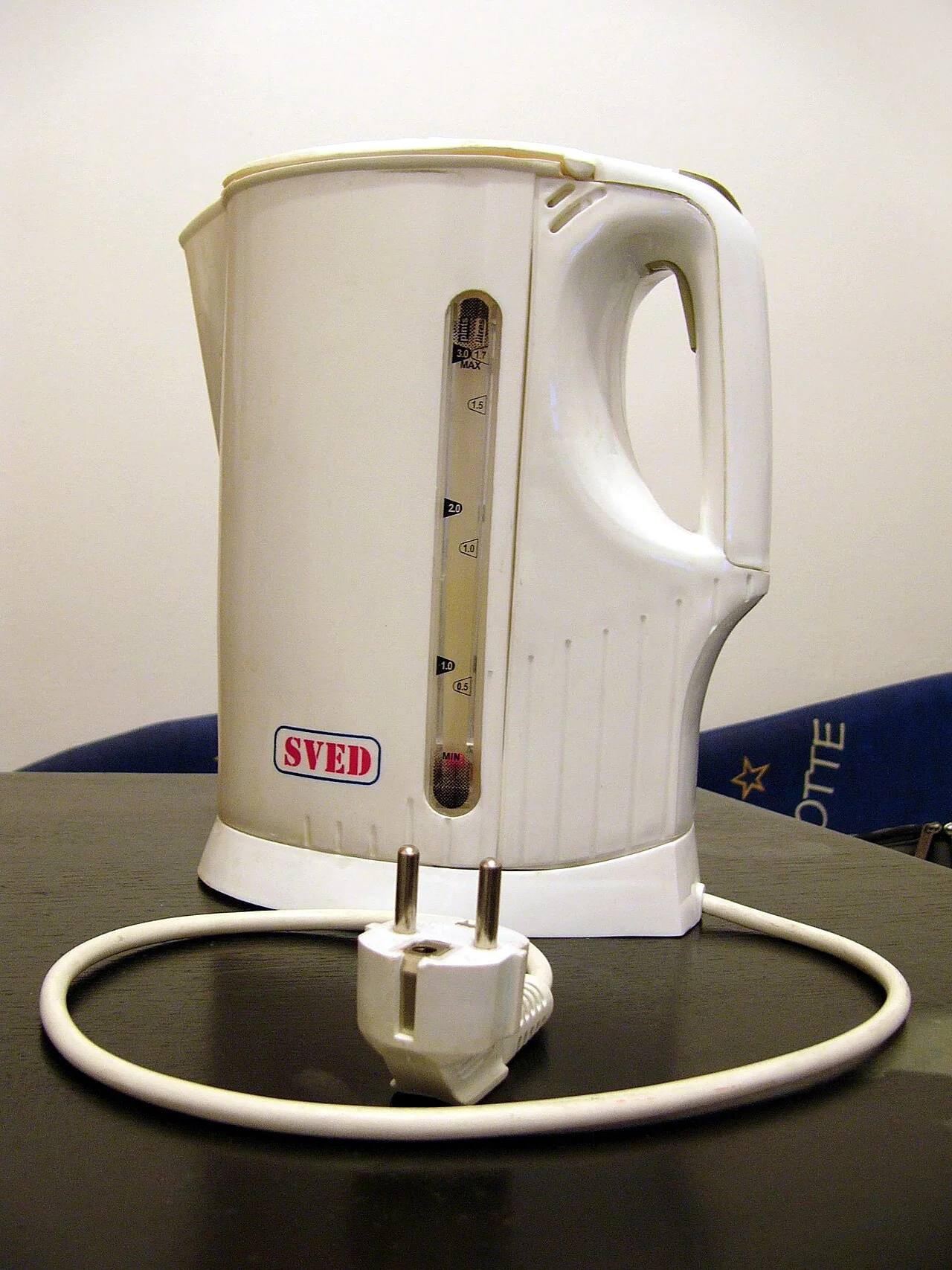
Look at the lid opening, handle, water indication and switching arrangement in the listing. Think about the route between the tap and the base. If a feature matters to you, confirm it in the manufacturer’s description rather than assuming it is included on every similar-looking model.
Read care and placement requirements
Check how the maker recommends cleaning and maintaining the kettle, including any applicable descaling instructions. Plan the location and cord according to the appliance guidance. Avoid adding a feature-rich model unless its extra controls serve a preparation method you actually use.
Before you order
- Compare the normal amount with fill limits.
- Check lid access and handling when full.
- Read maintenance and placement instructions.
Use the listing for the exact model, size or variant you intend to buy. If a necessary detail is missing, ask the retailer or manufacturer before paying. Check the final basket total and current delivery and return terms for that selection.
Making the choice
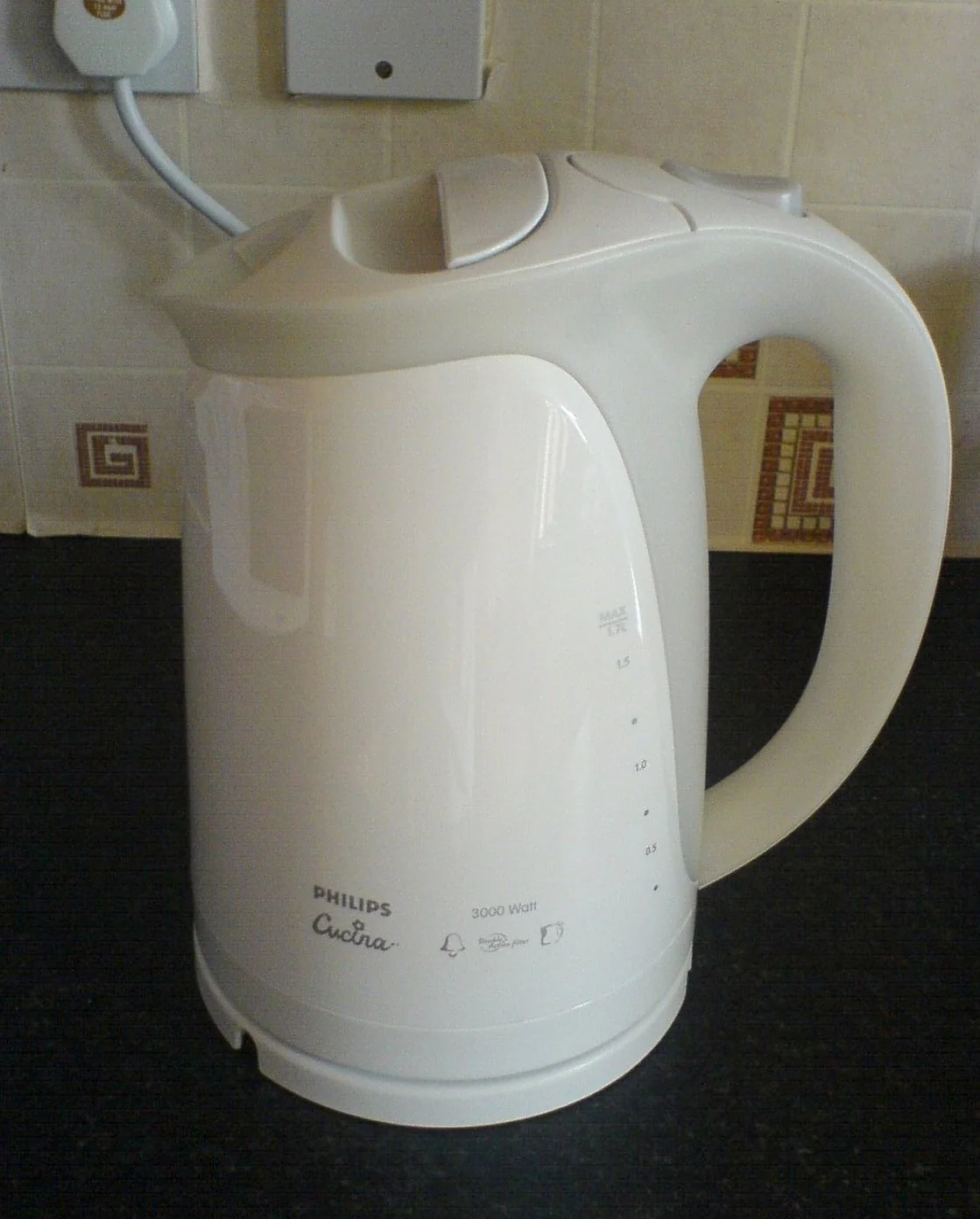
Choose around the repeated action of filling, heating and pouring. A kettle with straightforward controls and manageable capacity can be more convenient than extra settings you do not expect to use.