Choosing a Desk for a Small Room
Plan the chair, working surface and room circulation together.
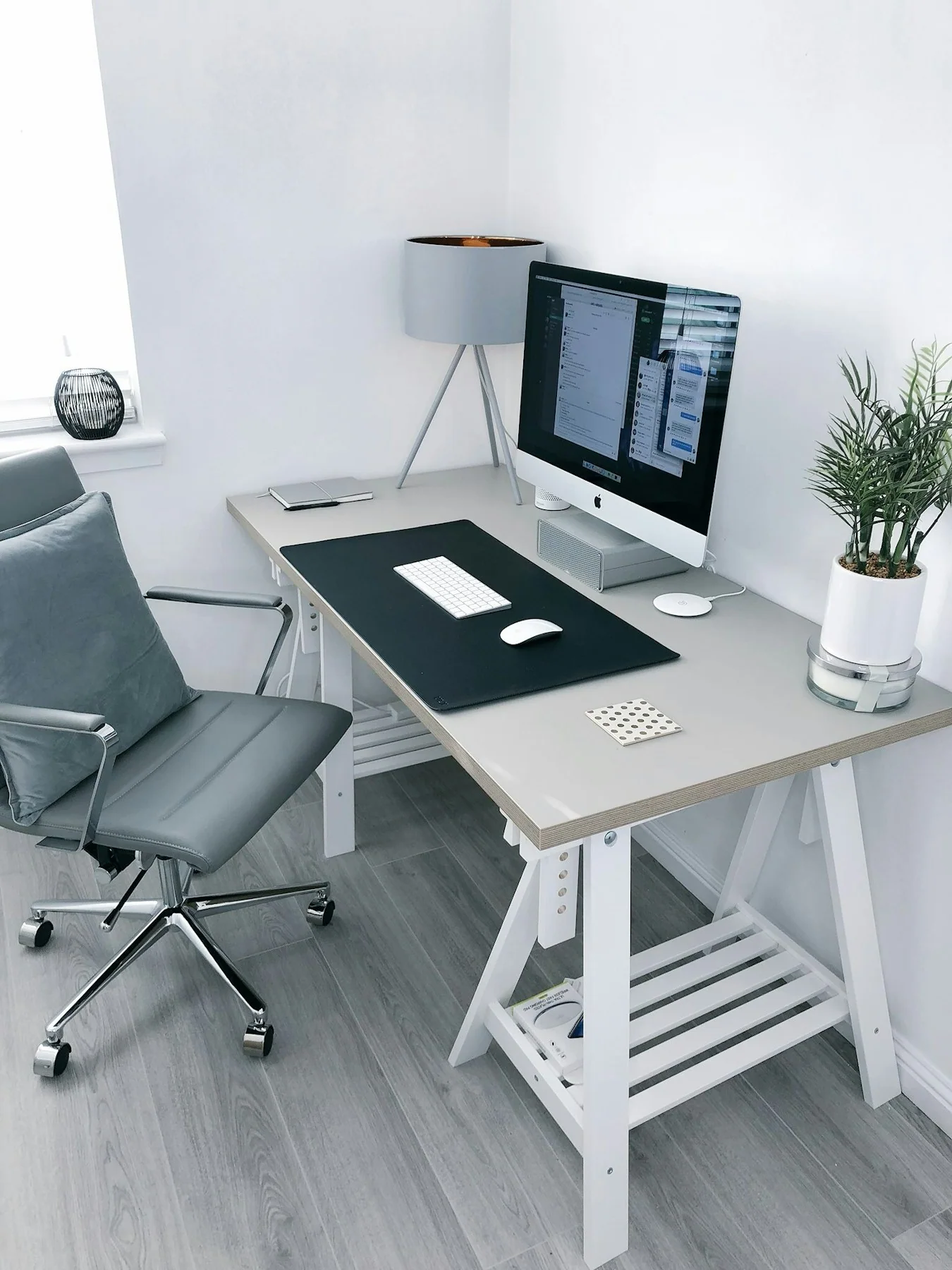
A desk should support the way you work without making the rest of the room difficult to use. Start with the space around the desk, including the chair and the route past it, before choosing a finish or a drawer arrangement.
This guide focuses on selecting the right type and setup for your own routine. It is not a ranking of products or a claim that a particular brand has been tested.
Measure the working arrangement
Mark the proposed desktop footprint and include the room needed to move your chair. Check where doors, drawers and nearby furniture will open. A surface may fit against a wall while leaving too little practical space for sitting down or getting up. Use the full product dimensions rather than a photograph.
List what stays on the surface
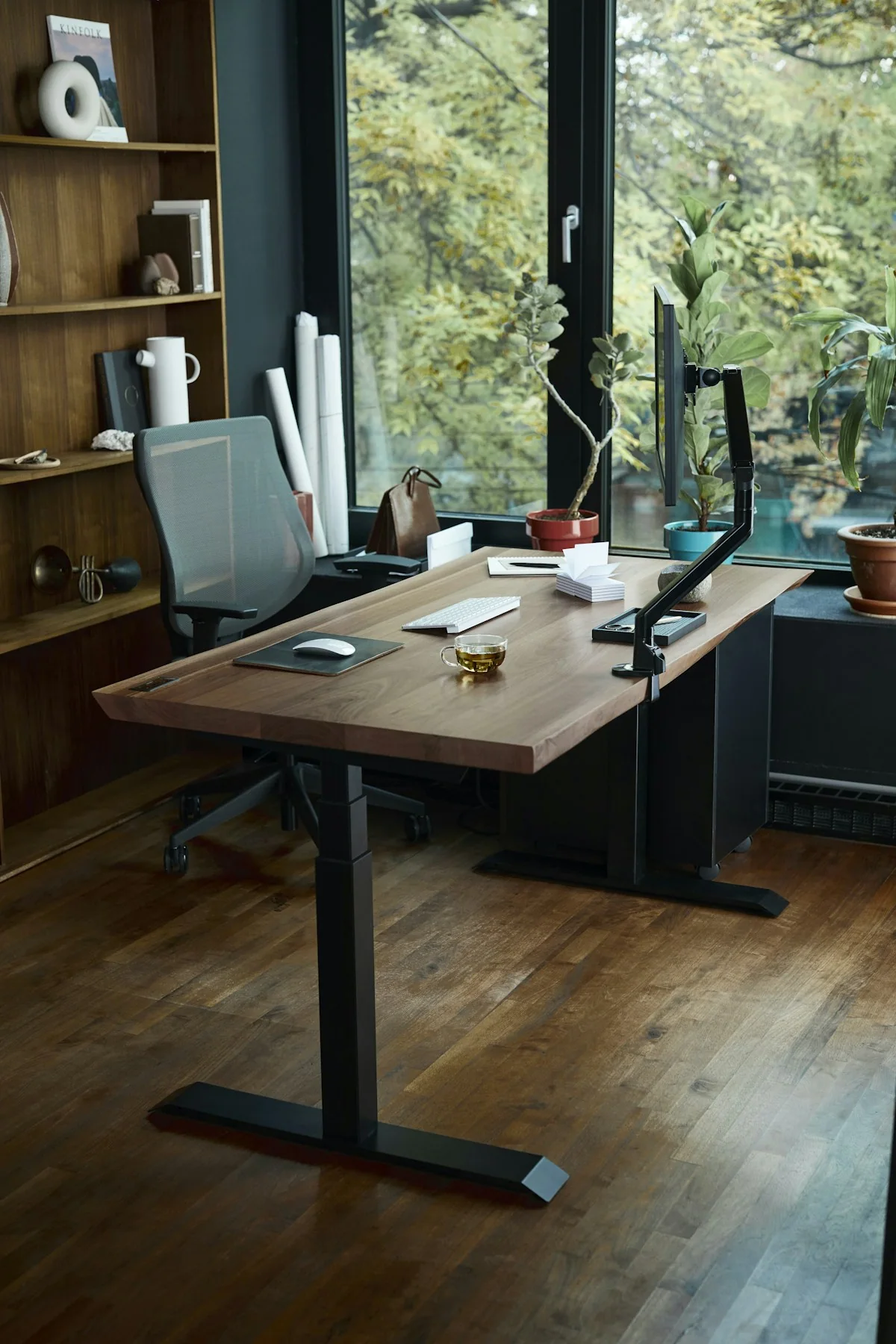
Arrange your essential equipment on an existing table if possible. Include a monitor base, keyboard, notebook and any items you reach for repeatedly. Think about cable access and outlet position. A deeper surface may serve your equipment better than a wider one that does not allow a comfortable arrangement.
Check assembly and moving requirements
Read the assembly instructions or product details before ordering. Consider delivery access, the weight of the parts and the help required to assemble the desk as directed. If the design includes a powered adjustment, review its installation and use requirements rather than treating it like an ordinary fixed table.
Before you order
- Measure chair movement and room access.
- Sketch the layout of essential equipment.
- Read assembly and stated load information.
Use the listing for the exact model, size or variant you intend to buy. If a necessary detail is missing, ask the retailer or manufacturer before paying. Check the final basket total and current delivery and return terms for that selection.
Making the choice
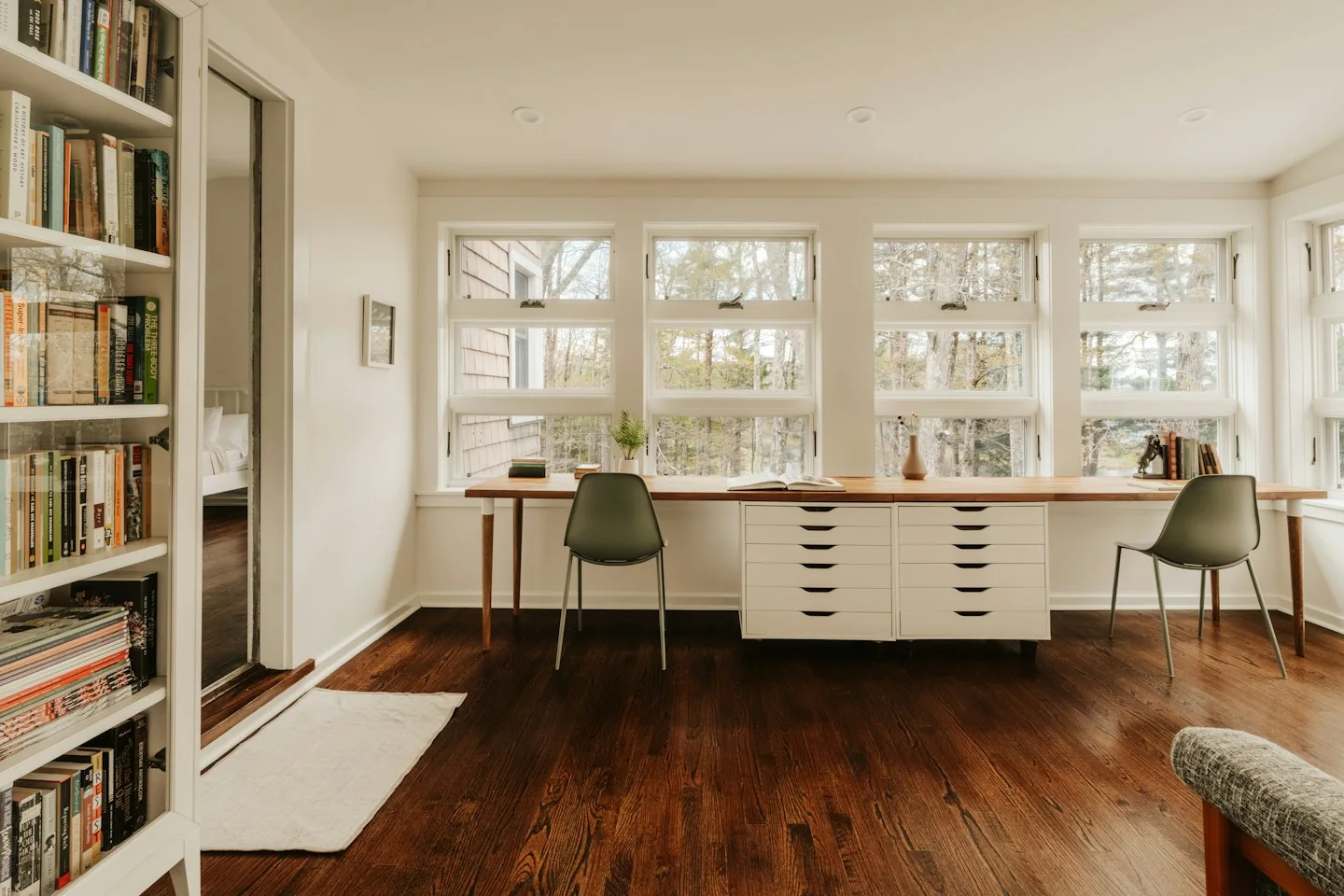
Choose a desk that fits your daily setup with some breathing room. Drawers and accessories are useful only when they remain accessible after the chair, cables and surrounding furniture are in place.