Choosing a Refrigerator for the Way You Shop
Compare usable organization, door movement and installation needs.
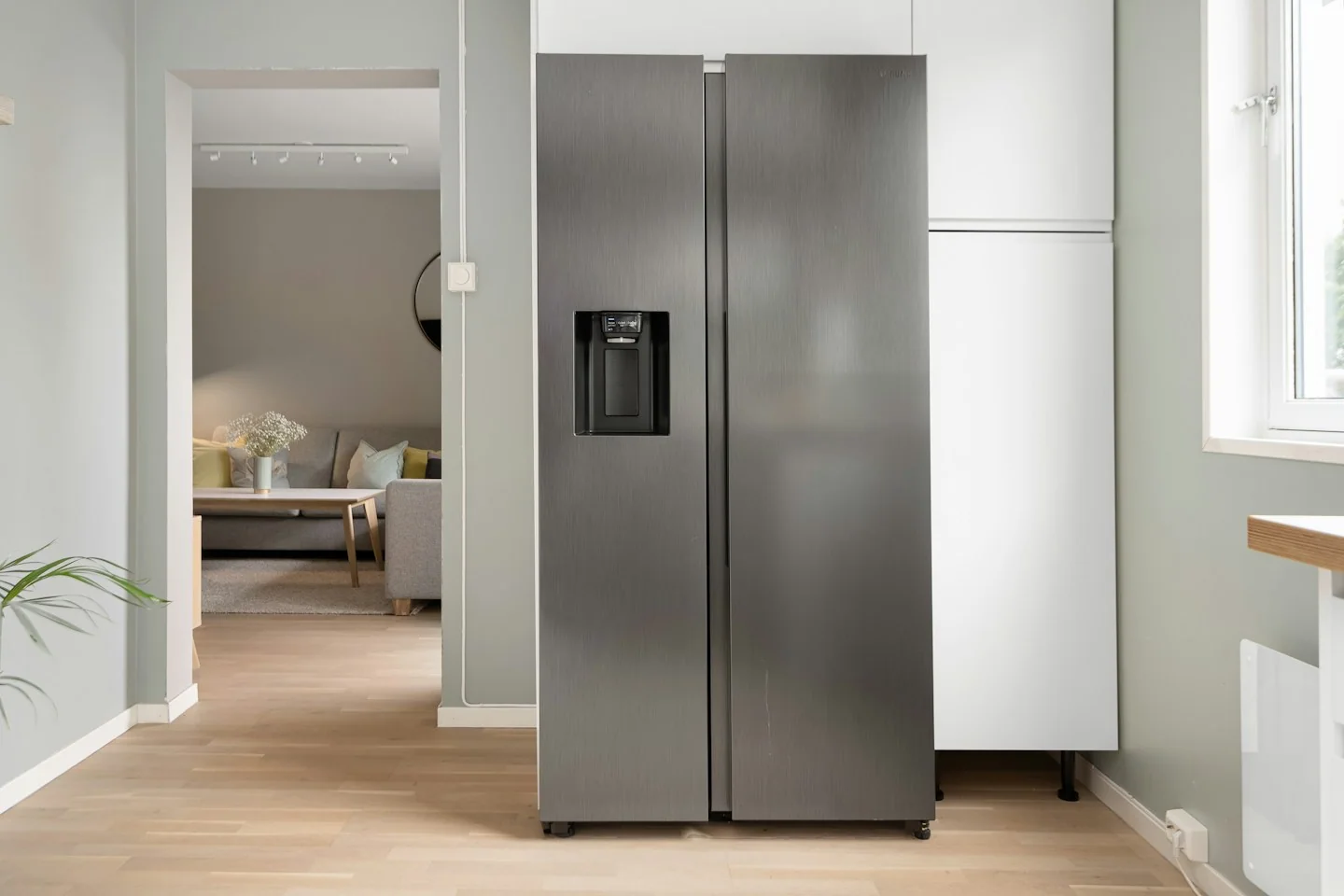
A refrigerator has to fit both your kitchen and the groceries you bring home. Think about your shopping rhythm, larger containers and the foods you reach for most often before comparing storage labels.
This guide focuses on selecting the right type and setup for your own routine. It is not a ranking of products or a claim that a particular brand has been tested.
Plan the installation and delivery route
Check the exact dimensions, required clearances and service requirements with the maker and your retailer or installer. Measure the route into the kitchen, including tight turns and doors. A cabinet opening’s width alone does not establish that a refrigerator can be delivered, installed and opened conveniently.
Look at the internal arrangement
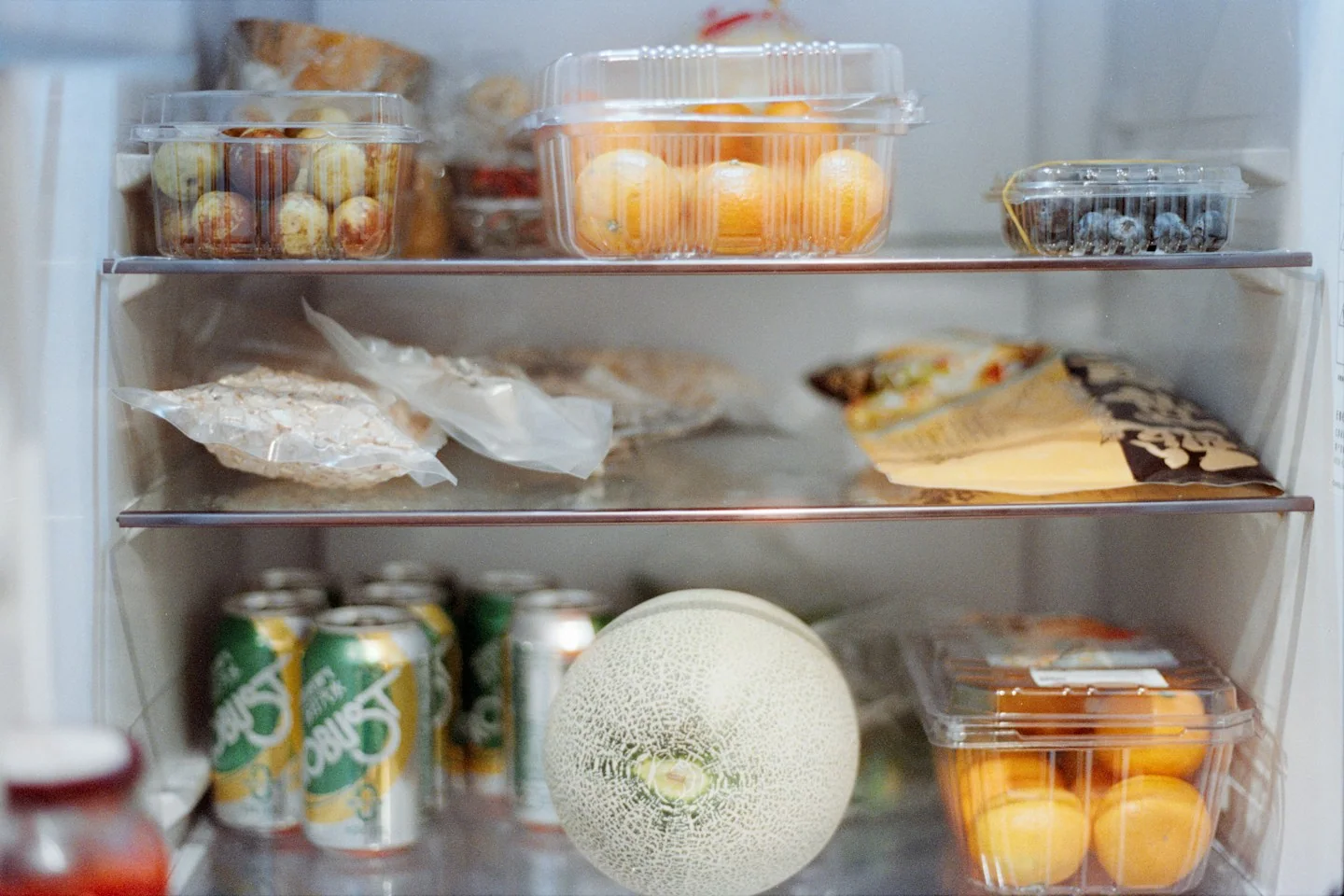
Compare shelf spacing, drawers and the room for containers you regularly use. Adjustable parts can help, but check their actual range and any fixed features. Consider whether a very large container or tray that matters to you can be accommodated without making the rest of the layout impractical.
Compare the full purchase
Where available, use EnergyGuide information to compare similar appliances, treating estimated operating costs as a comparison aid rather than a personal bill prediction. Check delivery, installation and any required connection or removal services. Confirm the exact selected model and finish on the order summary.
Before you order
- Measure the route as well as the opening.
- Check clearance for doors and drawers.
- Compare shelves with your usual containers.
Use the listing for the exact model, size or variant you intend to buy. If a necessary detail is missing, ask the retailer or manufacturer before paying. Check the final basket total and current delivery and return terms for that selection.
Making the choice
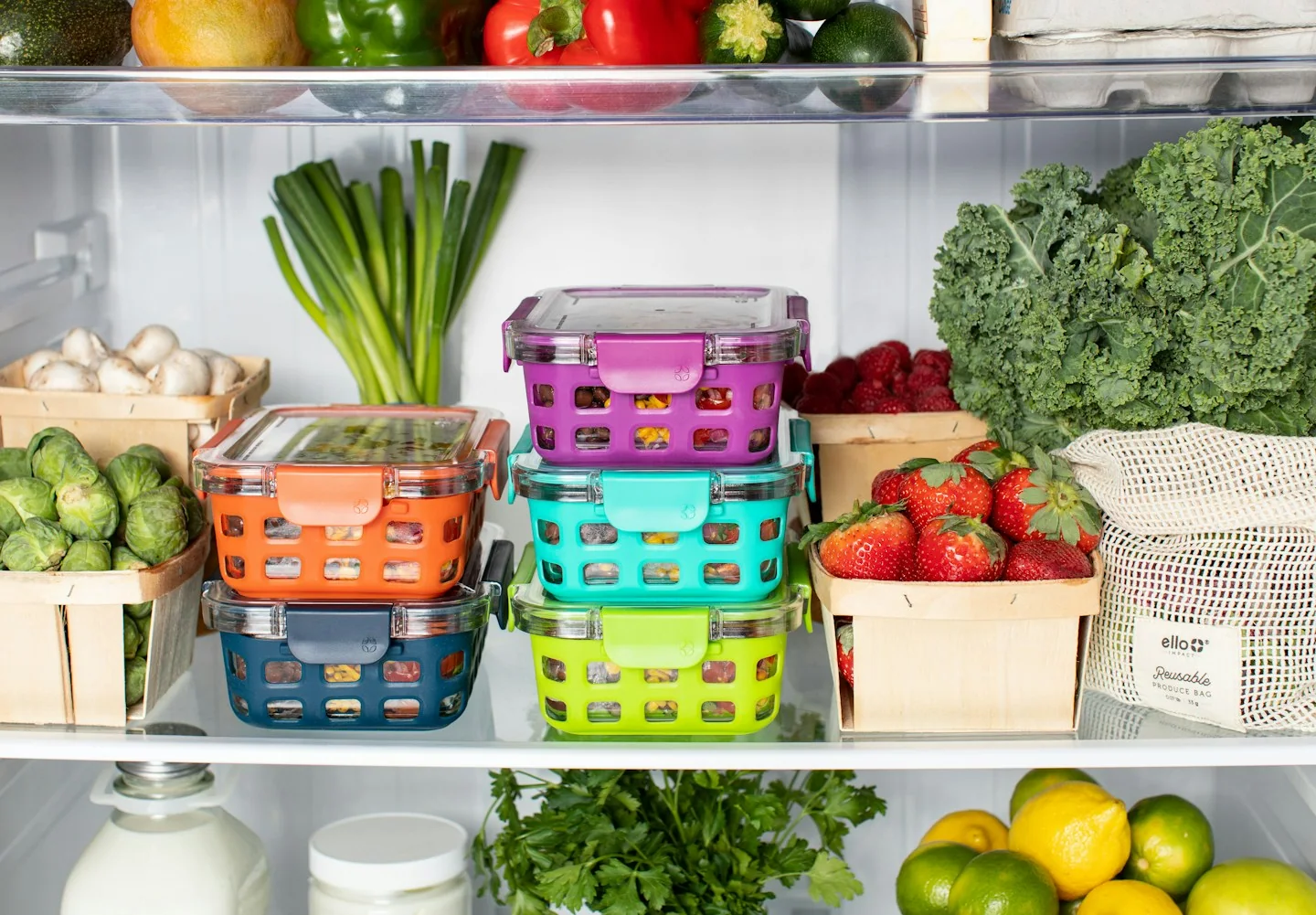
Choose a layout that supports your normal shopping and cooking pattern. Extra capacity is only useful when it fits your space and makes the food you buy easier to organize and access.