Buying a Graphic Tee Online: Fit, Fabric & Care
Use garment measurements and care information to choose a tee you will reach for regularly.
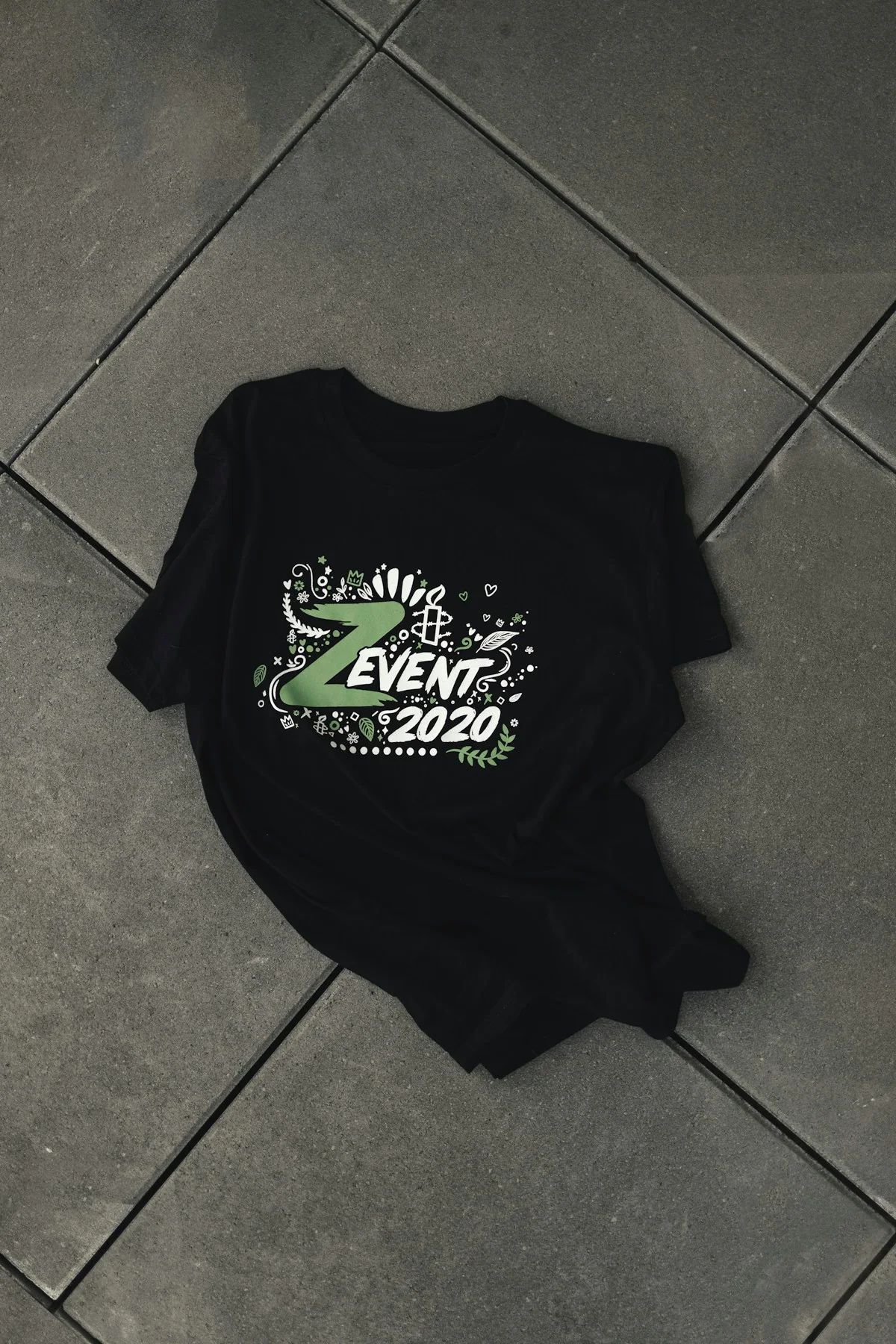
A graphic tee needs two things to work well: a design you enjoy and a fit that feels right in your everyday wardrobe. Online shopping makes the first part easy to see, while the second takes a little more checking.
This guide explains how to compare a listing with clothing you already own. It does not assume that a particular fabric, brand or price is right for everyone.
Use a favorite tee as your reference
Choose a tee you already like wearing and measure it according to the retailer’s size-guide instructions. Typical measurements include chest width and body length, but brands may describe them differently. Check whether a chart gives body measurements or finished garment measurements.
Compare the numbers with the exact product’s size guide. A familiar letter size is a useful starting point, but it may not reflect the cut of a different collection or retailer.

Decide what fit you want
Think about how you will wear the shirt. A tee worn under a jacket may need a different shape from one you want to wear loosely with shorts. Sleeve length, shoulder position and overall body length can matter as much as width.
Look at the listing’s model details when available, but avoid assuming a photo predicts how the shirt will fit you. Camera angle, styling and a model’s proportions can change the impression.
Read the fabric description
Use the stated fiber composition and any available weight or texture description to understand the garment. A blend and an all-cotton tee may feel or drape differently, but composition alone does not establish softness, durability or quality.
If a particular feel matters to you, compare with items you already own and read the retailer’s own descriptions carefully. Avoid treating a product photo as evidence of thickness or stretch.
Check the print in detail
Zoom in on the artwork, its placement and any wording. Check whether the graphic is on the front, back or both. A cropped product image can hide details that become obvious in another listing photo.
If you are buying a gift, make sure the design reflects a known interest and suits the setting in which the recipient might wear it. For a slogan or joke, read every visible word rather than relying on the listing title.
Make care requirements part of the choice
Read the specific washing and drying instructions before ordering. A shirt that needs a routine you will not follow may be an inconvenient purchase, regardless of how much you like the artwork.
After delivery, follow the garment label rather than general advice about graphic tees. Different print methods and fabrics may require different care. Do not assume that every shirt should be washed, dried or ironed the same way.
Review the return terms
Check the current exchange and return conditions for the item, especially if it is marked final sale or has another restriction. Keep tags and packaging until you have checked the fit in the way the retailer permits.
When ordering several sizes to compare, first understand the cost and effort of sending items back. A fitting strategy that depends on returns only works if those returns are practical under the actual terms.
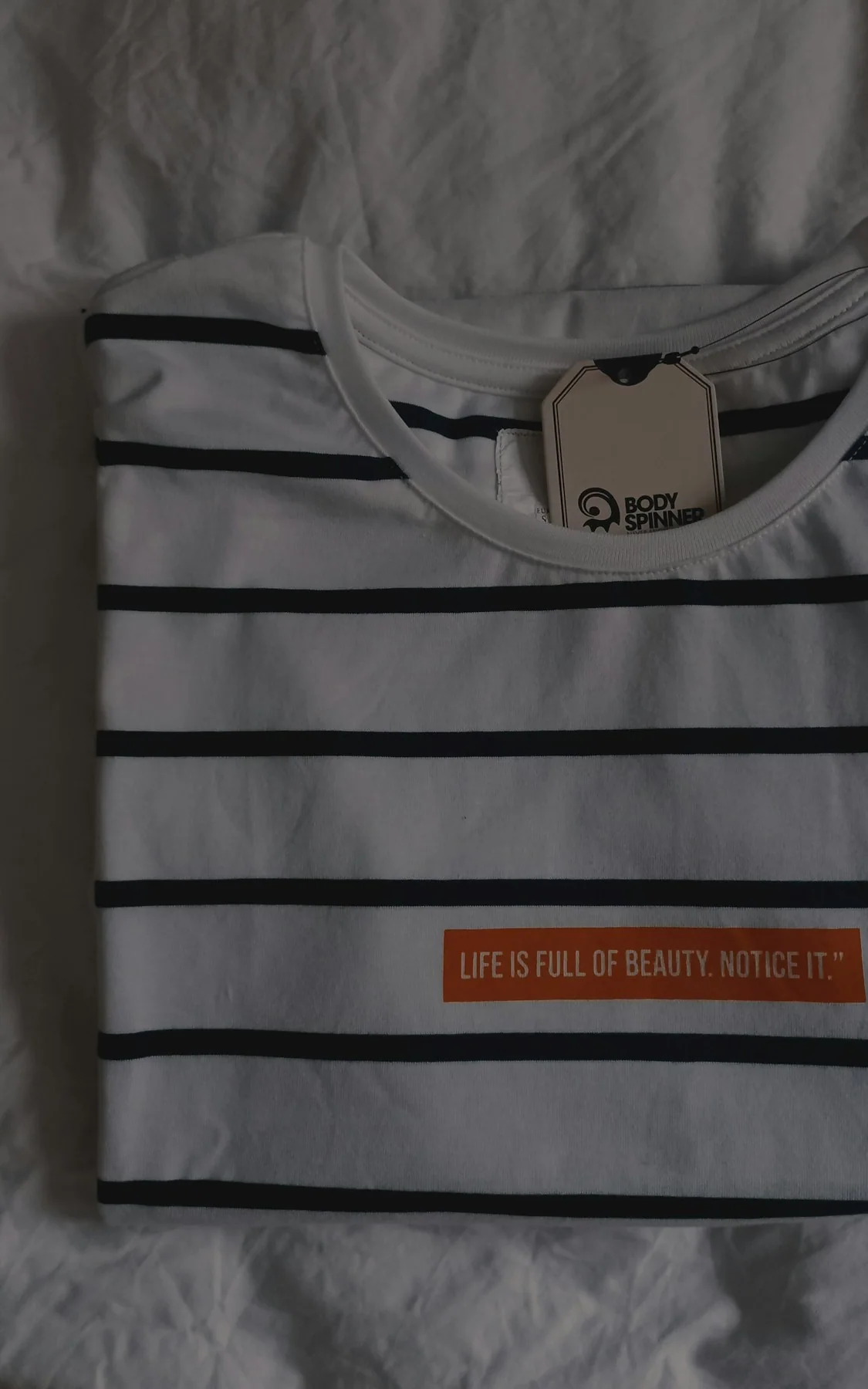
Before you buy
- Compare the correct measurements with a tee you like.
- Check the fabric composition and cut.
- Inspect all artwork and wording.
- Confirm the selected size and color in the cart.
- Read care instructions and current return conditions.
Once those details are clear, you can choose around your own style. A design that fits naturally with clothing you already wear is more likely to become part of your routine than an impulse purchase with no obvious place in it.