Choosing a Shoe Rack for a Narrow Entryway
Measure the walking route, shoe sizes and access before buying storage.
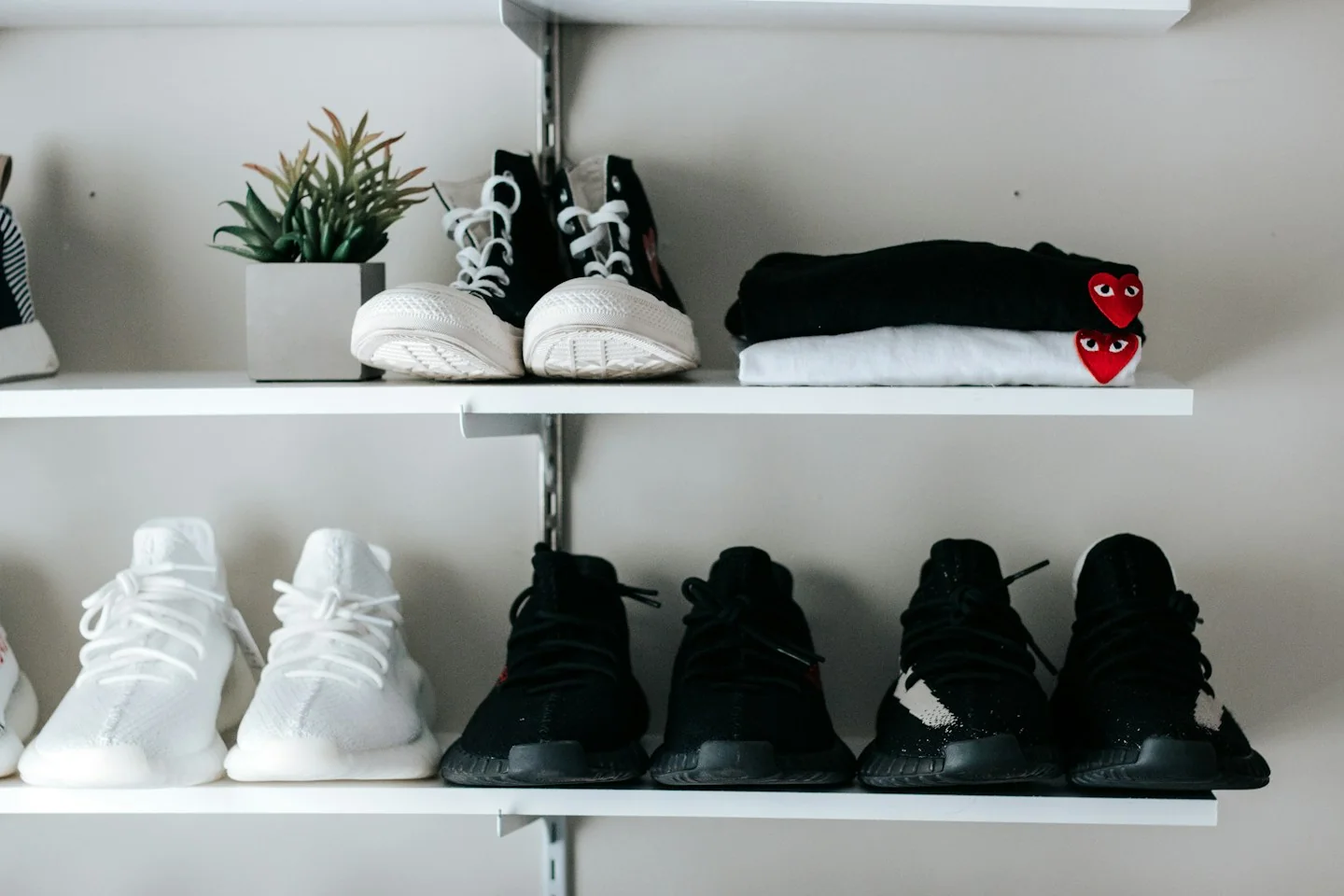
An entryway needs to remain easy to move through. A shoe rack helps only if it organizes footwear without blocking the door or creating another obstacle. Start by counting the pairs that actually need to live near the entrance.
This guide focuses on selecting the right type and setup for your own routine. It is not a ranking of products or a claim that a particular brand has been tested.
Measure the doorway in use
Check the door’s swing, nearby trim and the route people take when entering with bags. Compare the rack’s full depth and height, including shoes that may project beyond it. The empty rack’s measurements do not always represent the final footprint once it is in use.
Compare shelf spacing with real footwear
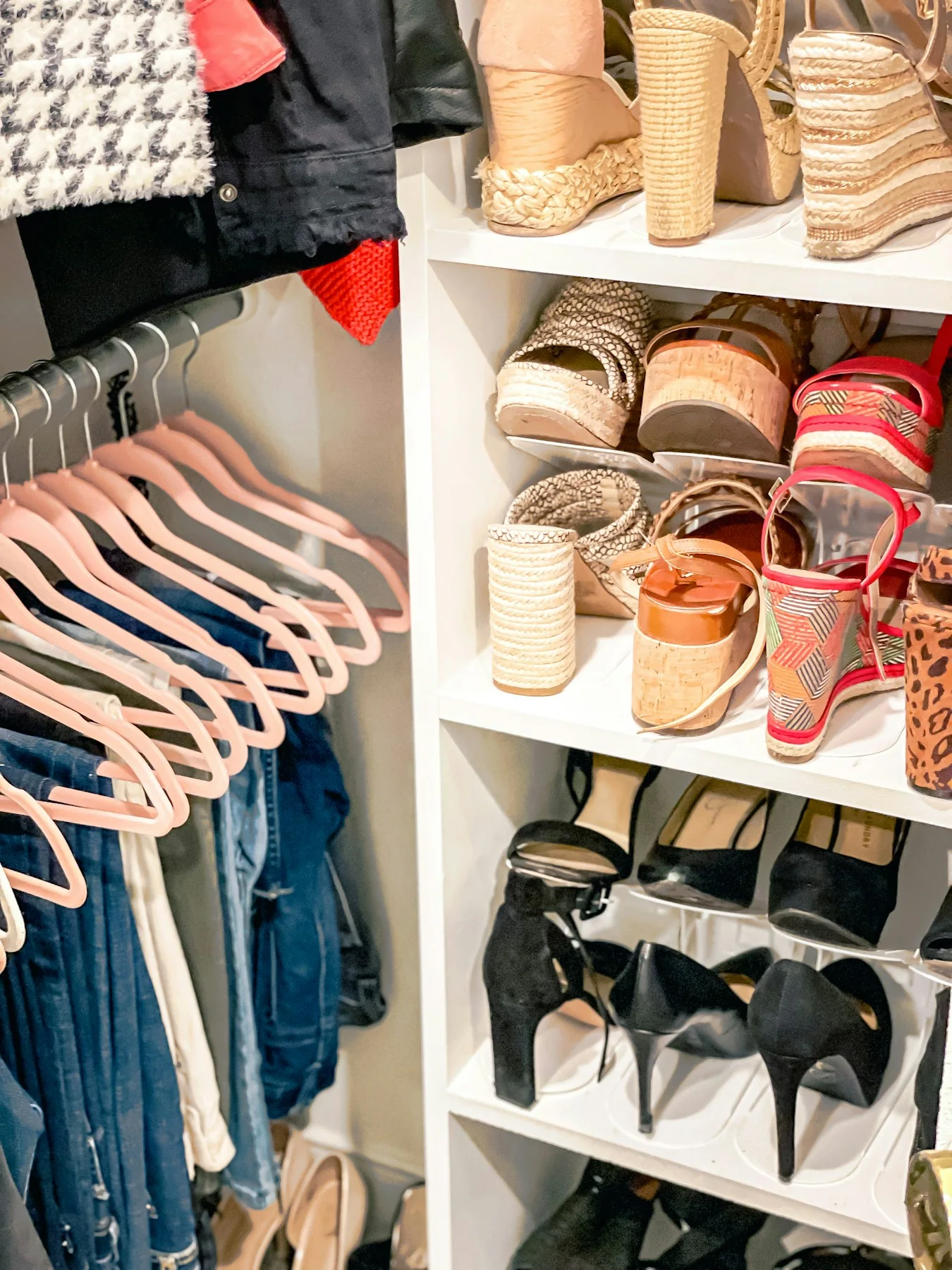
Measure a few of your taller or larger shoes and consider whether boots need a separate location. Adjustable shelves may help, but check the actual available positions. A claimed pair capacity can depend on shoe size and arrangement, so treat your own footwear as the better reference.
Read placement and installation instructions
Follow the maker’s requirements for assembly, load and any wall attachment. If considering a bench-style unit, confirm that it is actually intended for seating rather than inferring that from its shape. Choose a design that can be cleaned and accessed in the entryway you have.
Before you order
- Allow for the door and loaded-rack depth.
- Measure taller and larger footwear.
- Check assembly and intended-use instructions.
Use the listing for the exact model, size or variant you intend to buy. If a necessary detail is missing, ask the retailer or manufacturer before paying. Check the final basket total and current delivery and return terms for that selection.
Making the choice
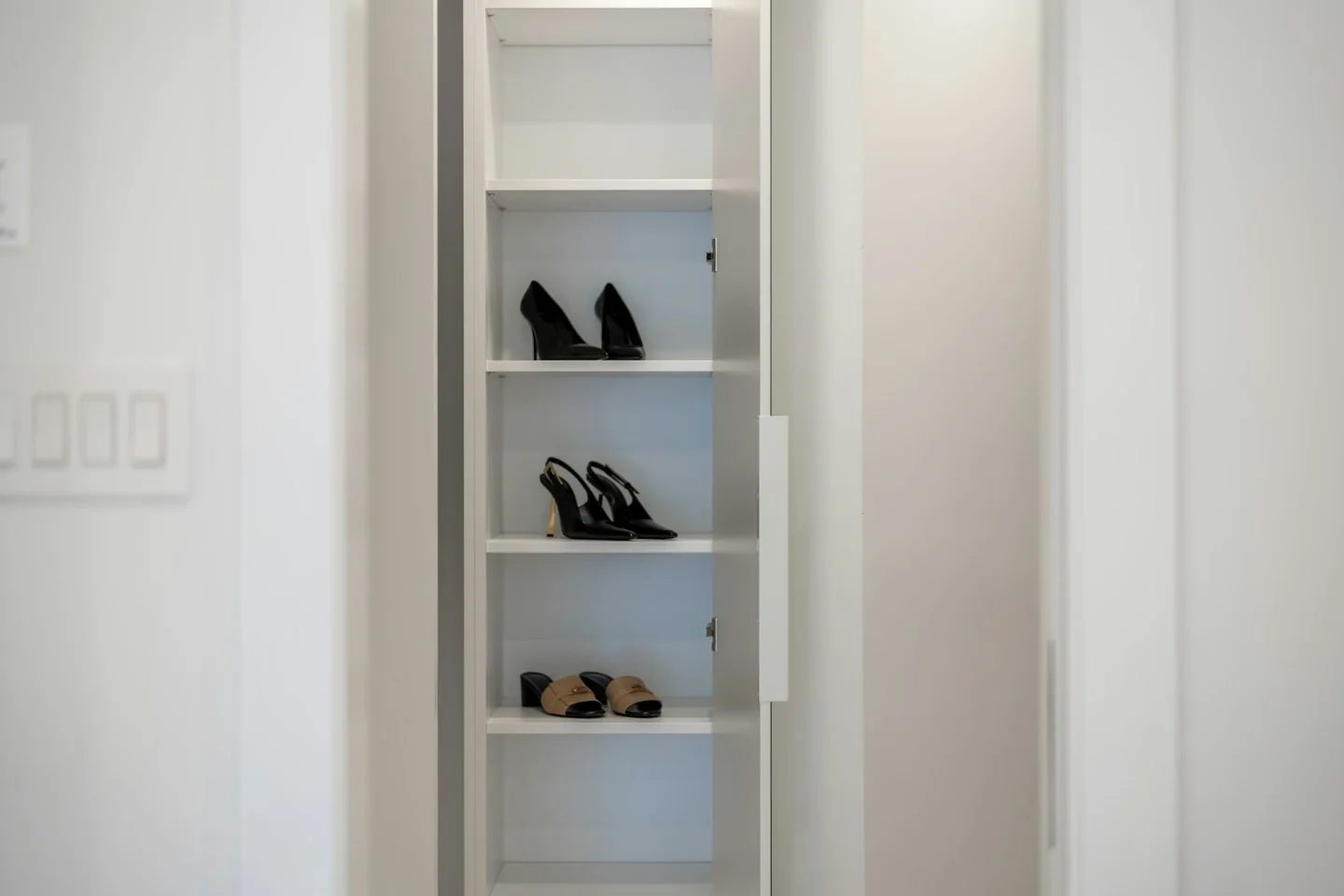
Store the pairs you use most often at the entrance and place occasional footwear elsewhere if needed. A smaller rack with a clear purpose can serve a narrow hallway better than one sized for the entire collection.