A Smart-Light Buying Checklist for One Room
Start with the fitting, controls and household routine before adding automation.
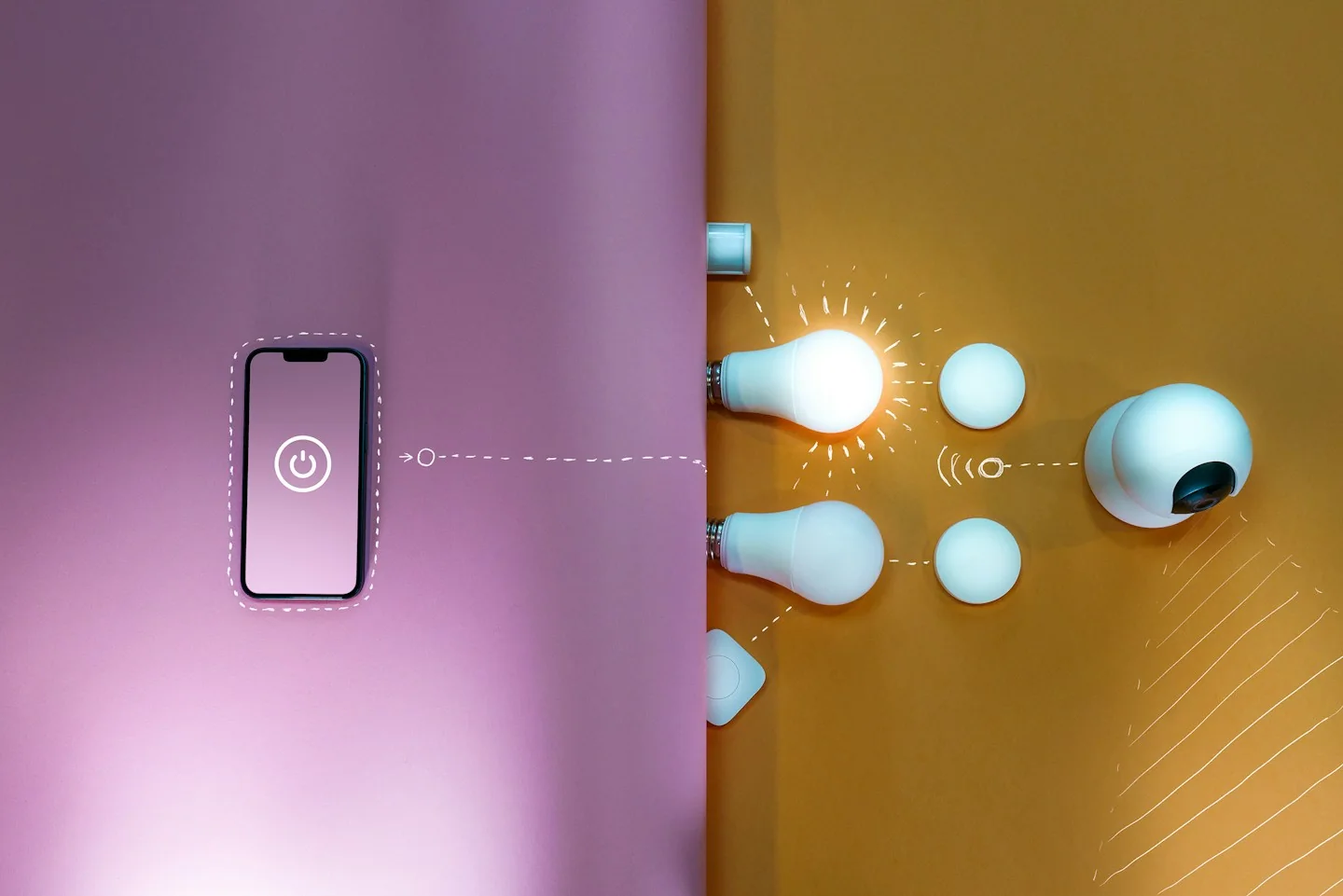
A smart light should make a familiar action easier. Decide whether your main goal is a simple schedule, convenient switching or a particular room arrangement. This gives you a way to judge features without building an unnecessarily complicated setup.
This guide focuses on selecting the right type and setup for your own routine. It is not a ranking of products or a claim that a particular brand has been tested.
Check the physical fitting first
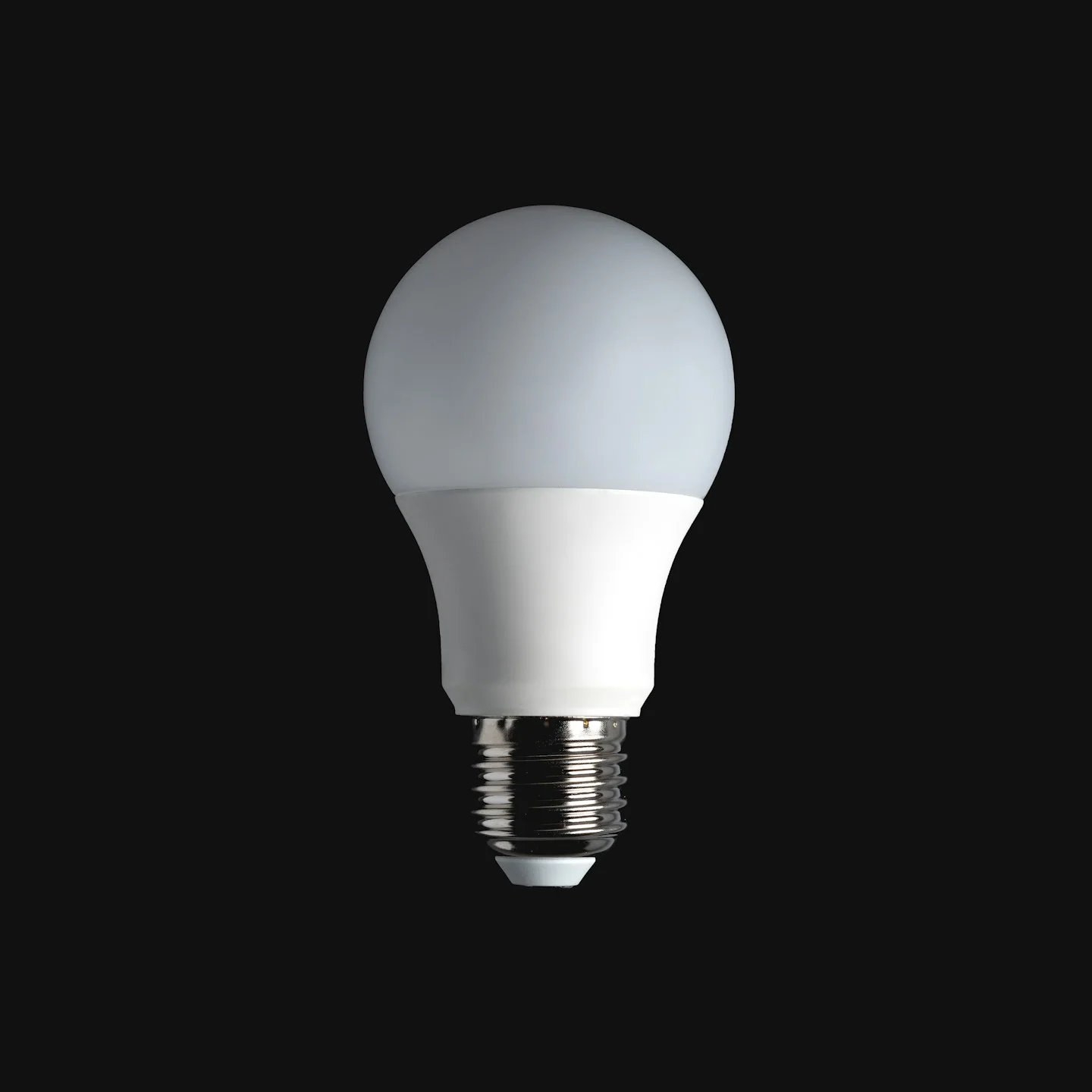
Compare the lamp’s fitting and stated limits with the light maker’s instructions. Check dimensions where an enclosed shade or narrow fixture could restrict space. Do not assume that a product fits simply because its general shape resembles the lamp already installed.
Understand the control requirements
Read what is needed for setup and everyday operation: an app, account, compatible controller or other equipment. Check support for the exact devices you already own. If several people use the room, decide how each person will turn the light on and off without depending on your phone.
Plan for ordinary interruptions
Read the manufacturer’s explanation of manual operation, network requirements and behavior after power loss. Consider whether the system remains convenient for visitors or household members who do not use the app. A useful lighting plan should work with the room’s normal switches and routines as documented by the maker.
Before you order
- Confirm the fitting and fixture restrictions.
- List all required setup equipment.
- Check manual controls and household access.
Use the listing for the exact model, size or variant you intend to buy. If a necessary detail is missing, ask the retailer or manufacturer before paying. Check the final basket total and current delivery and return terms for that selection.
Making the choice
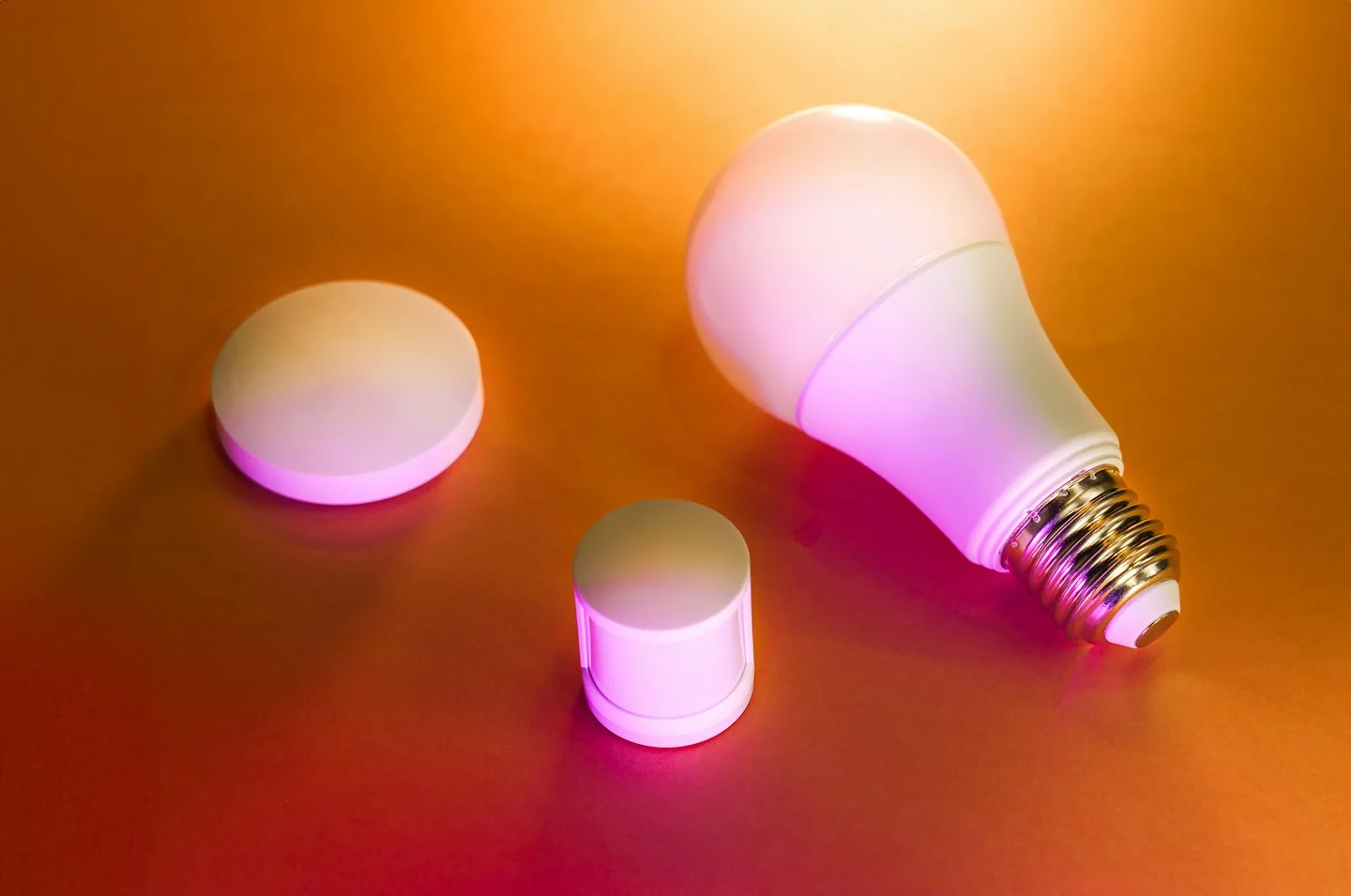
Begin with one clearly defined room need. Expand only after you understand the control experience and compatibility, rather than assuming that adding more connected products will automatically make a home easier to use.